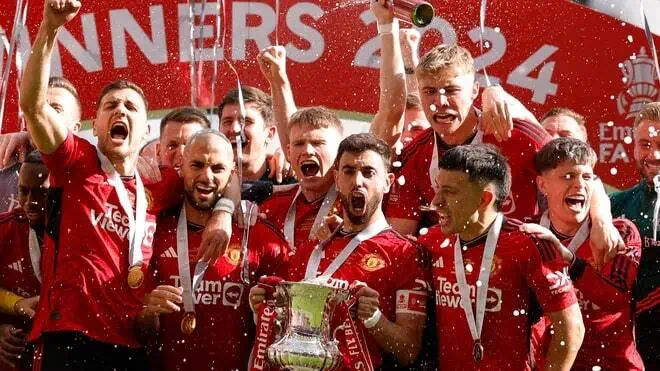
Ever since Sir Alex Ferguson walked away from Old Trafford in 2013, Manchester United has spiralled into an identity crisis so profound that it has come to define the club’s last decade. What was once England’s most enduring football dynasty has become one of the sport’s most uncomfortable case studies in instability and failed leadership.
From David Moyes to Ruben Amorim, United have gone through 10 permanent and interim managers in just 13 years, a stark contrast to the consistency and dominance under Ferguson’s remarkable 27-year reign.
The Glazers, later joined by INEOS, have searched for a successor capable of bringing United back to its former glory. Instead, they have created a chronic cycle of hope, tinkering. Eventual disappointment, with each new appointment promising a reset but delivering little more than a restart.
The result is not only a decade of underachievement on the pitch but also a loss of identity, consistency. The winning culture that once made the club fearsome across Europe.
Managerial Instability Has Been The Norm
Post-Ferguson managerial turnover at Manchester United reads like a revolving door rather than a thoughtful leadership succession. In fact, since 2013, the club has employed ten different managers, including permanent appointments and interim caretakers.
That list includes David Moyes, Ryan Giggs, Louis van Gaal, José Mourinho, Ole Gunnar Solskjær, Michael Carrick, Ralf Rangnick, Erik ten Hag, Ruud van Nistelrooy, and Ruben Amorim. Some faith was placed in certain hires. Louis van Gaal delivered an FA Cup and avoided a complete freefall in his early years.
Mourinho brought Europa League, League Cup, and Community Shield success. Ole Gunnar Solskjær’s initial stint as caretaker sparked hope among supporters, leading to a permanent role.
Erik ten Hag won both the FA Cup and League Cup. Despite those fleeting successes, none of these managers delivered the holy grail that Ferguson built around winning Premier League or Champions League titles, trophies that had become expected standards at United.
Meanwhile, interim appointments like Giggs, Carrick, and van Nistelrooy had little chance to imprint their philosophies on the club. Ralf Rangnick’s interim role promised modern tactical structure but fizzled out as he left without effecting real change. Ruben Amorim, most recently sacked in January 2026 after just 14 months, became the latest victim of this trend.
How This Compares To The Ferguson Era
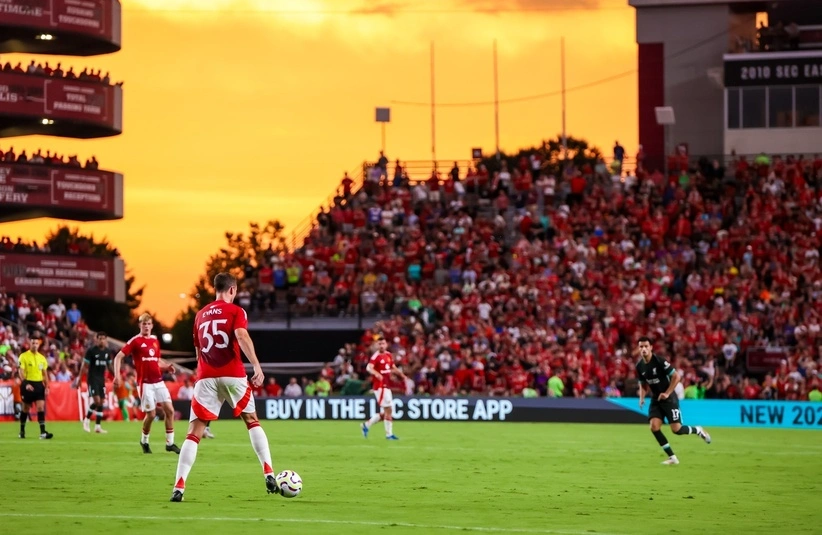
Sir Alex Ferguson remains the benchmark for what managerial continuity looks like. His 27-year journey included 13 Premier League titles, 2 Champions League trophies, and a sustained culture of winning that spanned generations.
Ferguson’s longevity allowed him to build a core identity across squad development, academy integration, and relentless competitiveness. This identity kept United at the top of English and European football for decades, even as rivals cycled through their own managerial changes.
By contrast, United’s post-Ferguson era has been a blur of conflicting tactical philosophies and squad rebuilds. David Moyes was an unprepared successor, lasting less than a year in the role. Van Gaal’s pragmatic setup often clashed with the attacking traditions United fans cherished.
Mourinho’s defensive pragmatism delivered trophies but met with dressing room tension. Solskjær’s romantic return didn’t translate to sustained success. Ten Hag brought silverware but was dismissed with the club languishing in mid-table before his departure in late 2024.
The cost of constant change is not just about lost games or a trophy cabinet devoid of league titles. It’s about the erosion of an identity. United have spent massive transfer fees under multiple regimes, often for players that fit one manager’s plans but not the next’s. This resulted in a schizophrenic squad with no clear philosophy.
The Broader Organizational Crisis
At the heart of this instability is a deeper crisis that goes beyond the manager’s office. Boardroom changes, ownership controversies, and recruitment inefficiencies have muddled Manchester United’s strategic vision.
The club has lacked a clear footballing identity that transcends managerial spells. Unlike rivals such as Liverpool under Jürgen Klopp or Arsenal under Mikel Arteta, who have applied long-term tactical frameworks and squad philosophies with tight alignment throughout the club’s structure.
In recent seasons, players themselves have expressed frustration about this lack of continuity. Marcus Rashford, who joined Barcelona on loan, publicly spoke about how the club’s shifting plans left United “stuck in no man’s land,” trapped between eras with no clear direction.
He contrasted this with the steady philosophy at rivals who built winning systems over time rather than tearing down structures at every managerial change. Ownership and executive decisions have also played a major role in this chronic instability.
The Glazers’ reign has been polarizing for fans, with questions about investment, transfer planning, and purely sporting priorities at the forefront. Recently, INEOS ownership has attempted strategic changes, including backroom restructures and infrastructure projects, yet these initiatives have done little to halt the slide in league performance and retain a consistent identity.
Can United Ever Rebuild A True Identity?
Looking ahead, the key test for Manchester United is creating a cohesive, long-term strategy that goes beyond simply hiring the next manager in a desperate bid for results. United’s academy tradition, global fanbase, and financial muscle are still unmatched by most clubs.
Those assets, however, are meaningless without a structure that aligns recruitment with coaching philosophy, boardroom strategy with on-pitch tactics, and player development with long-term vision. If United can find that alignment, then stability might finally return. If not, the club’s managerial merry-go-round will only continue, and with it, the uncomfortable shadow of the club’s own potential being unfulfilled.
In this era of turmoil, fans are no longer merely angry; they are disillusioned, yearning for a return to the identity that once made Manchester United the envy of world football.