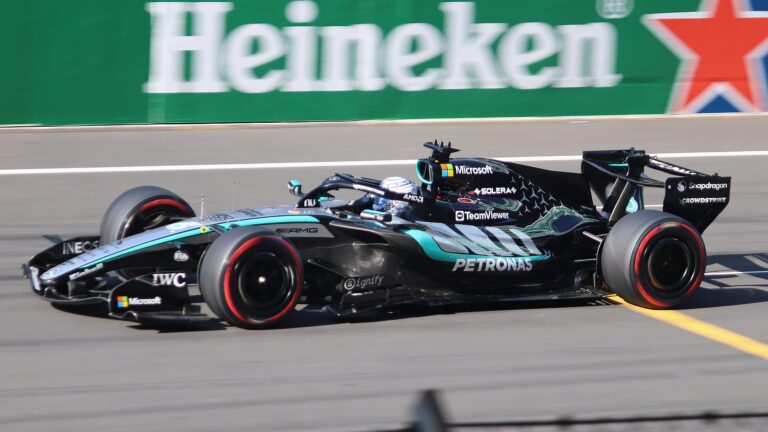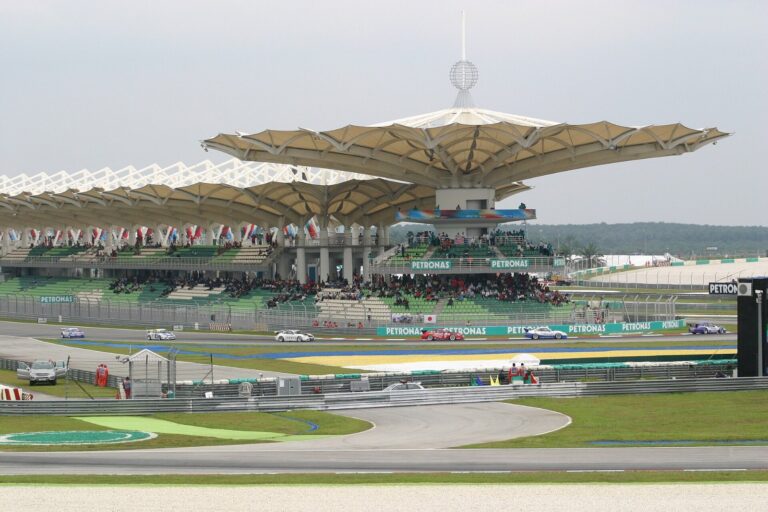

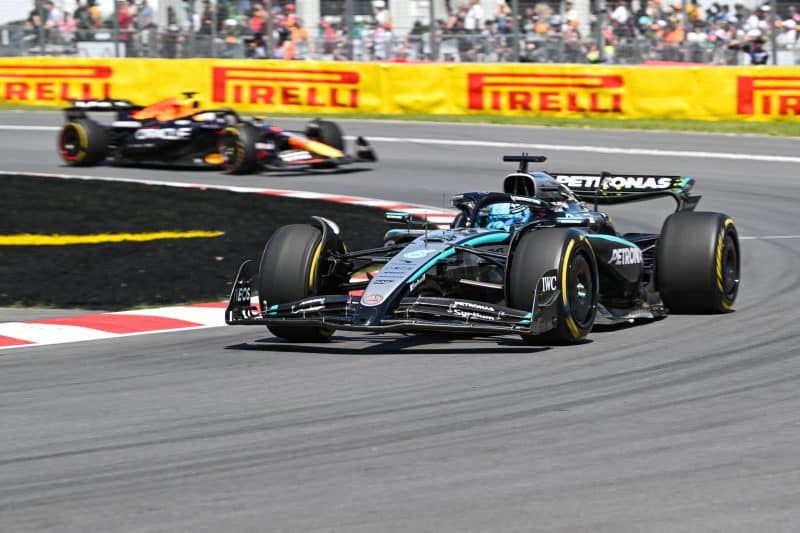
Formula 1 has confirmed a record 24 races for 2025, making it the busiest season ever. As we near the 2026 regulations, a key question arises: Will the calendar grow again, or has the series reached its limit? James Vowles, the Williams team principal, has been a prominent voice in this debate. Vowles’ comments show rising tension in the paddock between the sport’s commercial interests and the human cost of an expanded schedule.
The Importance Of the Calendar Debate
Formula 1 has also, in the past 10 years, become an actual global event. European classics such as Silverstone and Monza are still part of the plan. However, new locations such as Las Vegas, Miami, Qatar, and Saudi Arabia have introduced a new dimension to F1. That growth comes at a cost. In 2025, there will be 24 races, which means that teams are now making grueling traveling schedules, mechanics work tirelessly, and drivers have fewer rest periods. Fans who used to admire the uniqueness of race weekends now have to go through the danger of overload.
What James Vowles Said
In an interview, Vowles came out and confessed that although the growth has made Formula 1 global, any further growth would be counterproductive. Beyond a certain length, I told him, more is more than enough. “You are going to burn out your own people, and you are going to wear down the special character of every Grand Prix.”
What he says echoes the fears of many within the sport that the sport may be nearing its natural limit: Formula 1 is potentially nearing its natural ceiling.
Could 2026 Bring More Races?
There is no shortage of potential hosts. The commercial rights owners of Formula 1 continue to receive strong interest from Asia and North America. Yet instead of pushing beyond 24 or 25 races, insiders, including Vowles, suggest experimenting with a rotating calendar. Under this model, certain circuits would alternate yearly, keeping the schedule fresh while avoiding staff burnout and the risks of an endless season.
Expansion Implications On Fans and Teams
To the fans, the more the better. More races, more drama, and an opportunity to watch their favorite drivers compete. Each new Grand Prix develops novel plots. For teams, it is not so simple. Every additional race is an unnecessary burden of costs, logistics chain, and employee burnout. The rise of the sport has been a success story; however, without moderation, Vowles and other people are concerned that the product will lose its exclusive status and its competitive advantage.
Final Word
With Formula 1 on the threshold of the new engine generation in 2026, the sport is at a crossroads. The international growth is so attractive, yet so is the danger of saturation. Be it the calendar remaining on the 24 races, or going up to 25 races, or a rotating scheme, one thing is certain: Formula 1 has never been as popular as it is today. The question now arises as to how growth is achieved without jeopardizing the things the sport is all about: the spectacle, the scarcity, and the spirit of a Grand Prix weekend.